Software
Your team manages construction evidence in NexusIQ.
- NexusIQ platform access
- Document and issue tracking
- Compliance reporting tools
Beginning of Construction (BOC) Compliance
Empact combines NexusIQ™, its AI-native platform, with managed compliance services to collect physical work and cost records and document your project's beginning of construction position.
Illustrative example
For clean electricity credits under Sections 45Y and 48E, the construction start date can affect placed-in-service deadlines and material assistance requirements. The rules vary by technology and credit.
Build the supporting record while the work is underway.
Empact works directly with contractors and suppliers to collect and organize the supporting records.
December 31, 2025
Concerns material assistance requirements, not every foreign entity restriction. Ownership and effective control restrictions apply separately.
Section 45Y and 48E facilities, qualified interconnection property, and energy storage technology beginning construction after this date are subject to material assistance requirements, as relevant. Ownership and effective control restrictions apply separately.
July 4, 2026
Concerns the specified wind and solar termination rules. Beginning construction before this date does not, by itself, establish eligibility.
Wind and solar facilities that began construction by this date are not subject to the December 31, 2027 placed-in-service deadline. Beginning construction by this date avoids that termination provision; it does not establish credit eligibility by itself, and continuity requirements still apply.
December 31, 2027
Concerns the specified wind and solar termination rules for facilities that began construction after July 4, 2026.
Wind and solar facilities that began construction after July 4, 2026 must be placed in service by this date to claim Section 45Y or 48E credits.
Other technologies, including energy storage, are not subject to the wind and solar termination dates and follow separate timelines. Review your project's dates with tax counsel.
IRS Notice 2025-42, effective September 2, 2025, made the Physical Work Test the only method for establishing beginning of construction for purposes of the wind and solar termination rules, except for solar facilities with a maximum net output of 1.5 megawatts (MW) alternating current (AC) or less.
On June 6, 2026, the U.S. District Court for the District of Columbia vacated Notice 2025-42 and remanded it to the IRS. Further appeals or new guidance may follow. Other beginning of construction determinations, including for FEOC material assistance and for technologies other than wind and solar, rely on the guidance that existed before the OBBBA. Confirm which method applies to your project with tax counsel.
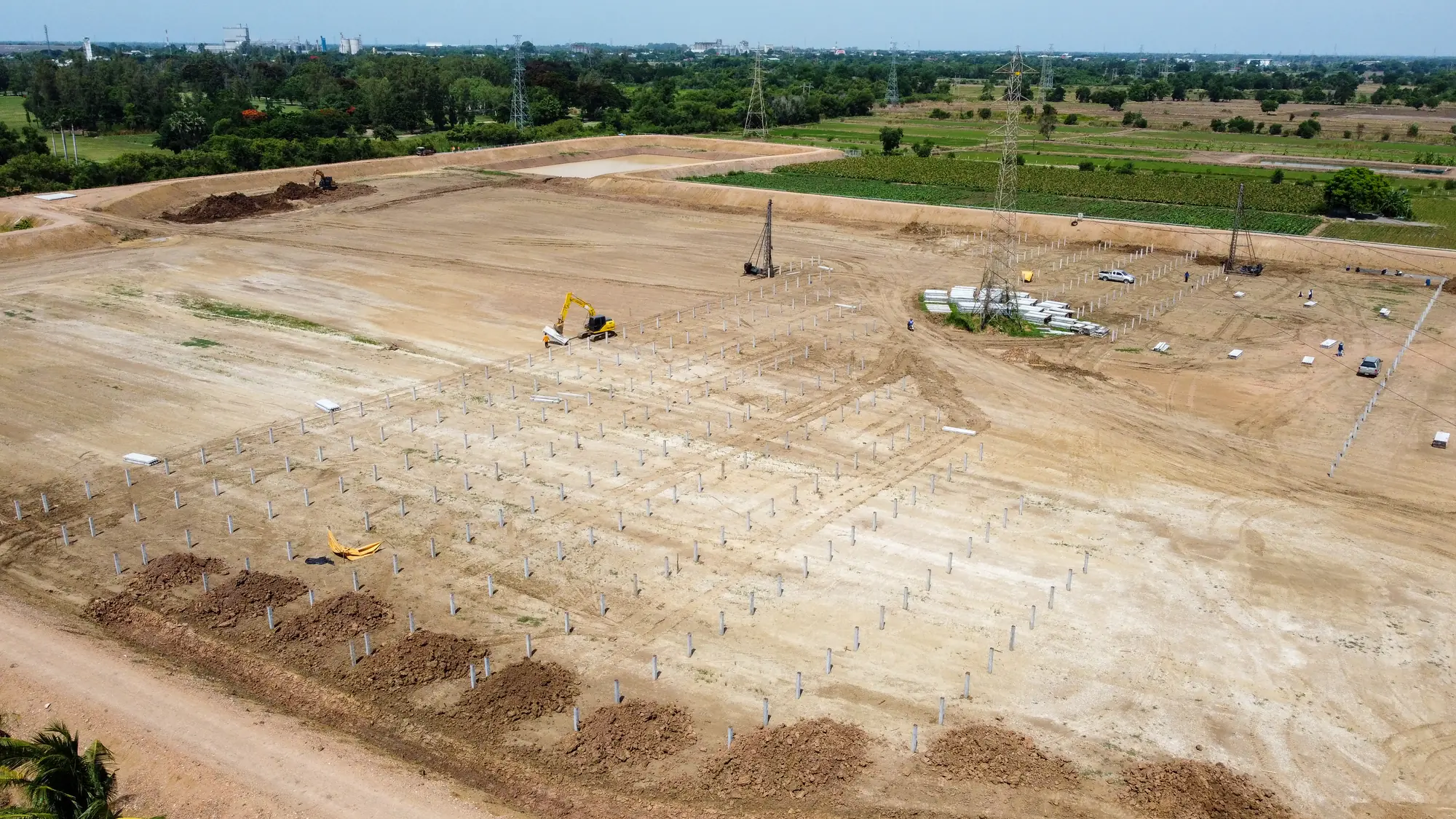
Physical work of a significant nature, performed on-site or off-site. The nature of the work matters, rather than its amount or cost.
Physical work of a significant nature, performed on-site or off-site, either by the taxpayer or by another person under a binding written contract. The test looks at the nature of the work, not the amount or cost. Components normally held in a manufacturer's inventory do not count. Once work begins, a continuous program of construction is required.
At least 5% of the facility’s total cost paid or incurred, followed by continuous efforts toward completion.
Availability for wind and solar facilities depends on the guidance in effect; see the guidance update above. Go to the update
At least 5% of the facility's total cost paid or incurred, followed by continuous efforts toward completion. Availability for wind and solar facilities depends on the guidance in effect; see the guidance update above.
After construction begins, work must continue without unreasonable pauses until the facility is placed in service. Under the Continuity Safe Harbor, a facility placed in service by the end of the fourth calendar year after construction began is generally treated as meeting this requirement. IRS guidance provided extended periods for facilities that began construction in certain earlier years. After the relevant period, continuity depends on the facts and circumstances, including documentation of the work performed and any excusable delays.
Where included in the engagement, Empact tracks construction progress against the continuity window and flags schedule changes that could put your project's position at risk.
Empact reviews the records behind each claim, checking dates, coverage, and gaps.
Dated photographs, daily logs, timecards, and inspection reports.
Binding written contracts for work performed by others, purchase orders, and delivery records.
Invoices, payment records, and total cost estimates supporting a 5% calculation.
Construction schedules, progress reports, and documentation of excusable disruptions.
A signed contract, completed engineering, or a permit application does not establish beginning of construction by itself.
Step 01
Obtain physical work, contract, cost, and schedule records from project teams and contractors.
Step 02
Compare the evidence against the method and dates that apply to the facility.
Step 03
Work with project teams and contractors to obtain missing records and evaluate next steps with tax counsel.
Step 04
Document findings, supporting records, outstanding questions, and actions taken.
Highest-Quality Compliance
Timecards, contracts, invoices and site records are reviewed to find gaps that summary schedules can miss. Empact validates the supporting records and addresses documentation gaps within the engagement scope.
One Stop Compliance Shop
Your beginning of construction date affects several other requirements. Empact coordinates contractor and supplier records for each of them and maintains the supporting file.
Empact services. Applicable requirements depend on the credit and project.
01
Beginning of construction records organized by facility.
02
Physical work and cost records tied to their supporting documents.
03
Tracking through placed in service, where included in the engagement.
04
Findings and outstanding items organized for project teams, tax counsel and authorized reviewers.
Your team manages construction evidence in NexusIQ.
NexusIQ plus Empact specialists for selected evidence reviews.
Empact manages the agreed construction evidence process.
Define the record collection, review scope, contractor coordination, and reporting your project requires with Empact.
Discuss Your ProjectNo. A contract supports the record, but beginning of construction requires either physical work of a significant nature or qualifying costs paid or incurred, followed by continuous progress.
Yes. Material assistance requirements apply to Section 45Y and 48E facilities, qualified interconnection property, and energy storage technology beginning construction after December 31, 2025, as relevant. Ownership and effective control restrictions apply separately, regardless of when construction began.
If the relevant Continuity Safe Harbor period expires, continuity generally requires a facts-and-circumstances assessment. Documentation of continuous construction or continuous efforts becomes more important.
The wind and solar termination dates and Notice 2025-42 applied only to wind and solar facilities. Energy storage and other technologies follow separate timelines and prior beginning of construction guidance.
More questions? Visit our FAQ or try the FEOC Calculator.
Discuss your physical work evidence, cost records, and construction schedule with Empact.